
Government Digital ID
Issue privacy-preserving national IDs and let citizens prove attributes anywhere, without centralizing their data.
Verana provides governments with full open source software and infrastructure to issue privacy-preserving, verifiable, decentralized Digital IDs that empower citizens while maintaining national sovereignty over identity systems.
Create the Digital Identity Ecosystem
Governments establish:
Ecosystem Governance Framework (EGF)
Sets rules for Citizen ID issuance, verification, and authorization of participants, including optional pay-per-verification revenue models.
Ecosystem Trust Registry
Deploy in Verana to mirror the EGF and publish the Citizen ID Credential Schema for issuers and verifiers.
Onboard Ecosystem Participants
Use Verana’s trust registry onboarding flows to accredit verifiers or delegate onboarding to other government-approved operators.
Build a Digital Wallet
Governments deliver a Digital Wallet mobile app that acts as a Verifiable User Agent (VUA) for citizens.
Store Credentials
Citizens keep their Citizen ID Verifiable Credential securely inside the wallet.
Self-Sovereign
Citizens control their credentials with no central account or dependency on a single provider.
Open Standards
Compatible with EIDAS2, DIDs, DIDComm, W3C VCs, OpenID4VC, and OpenID4VP.
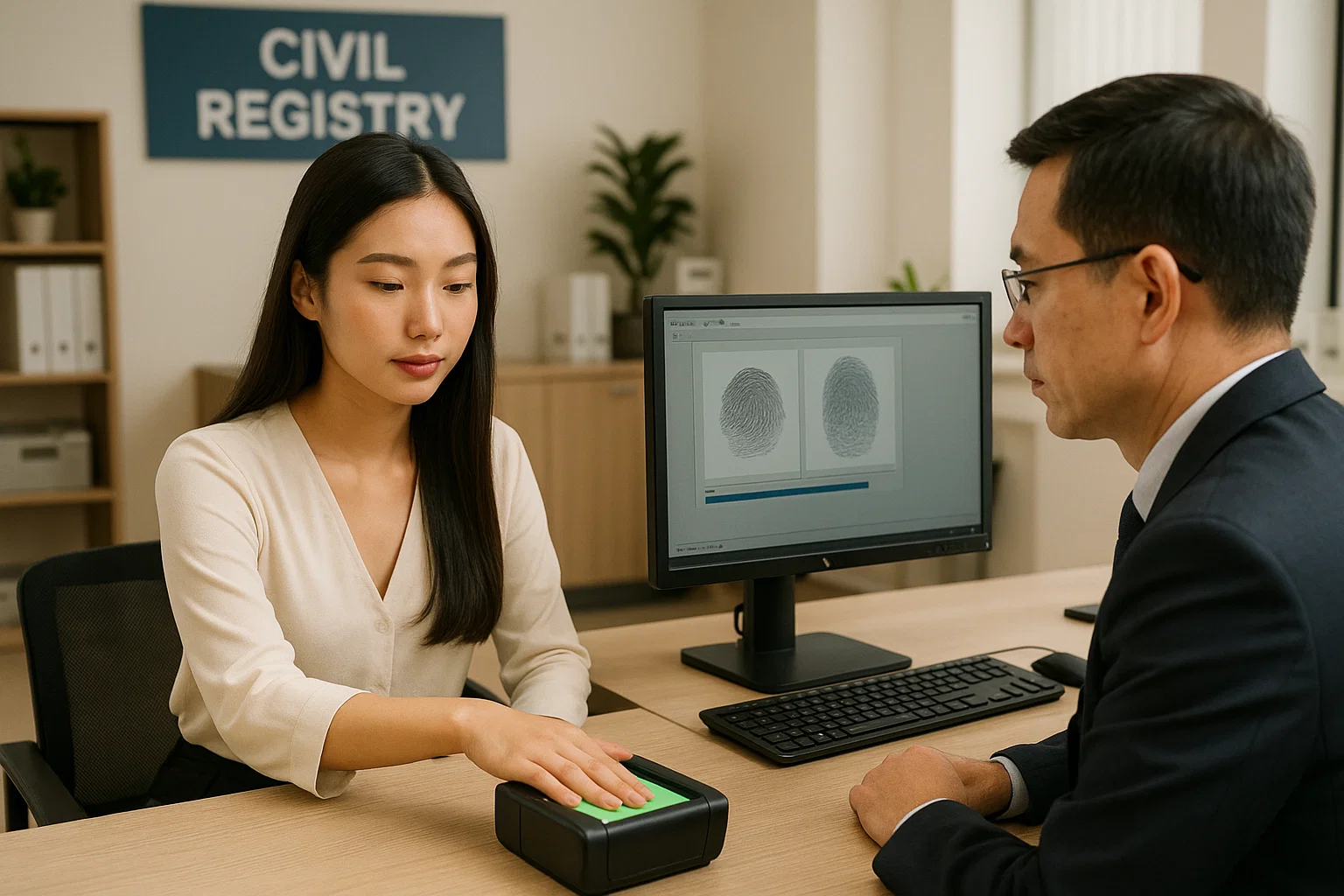
Citizen Onboarding into the Central Registry
At public offices (e.g., civil registry):
Citizen biometric data is captured and documents validated.
Citizen data is recorded in the central registry database.
Citizen receives an NFC-enabled ID card containing personal and biometric information.
This ensures official enrollment into the state identity system.
Issuing the Citizen ID Verifiable Credential
Citizens obtain their Citizen ID Verifiable Credential by downloading the Government Digital Wallet and completing a secure identity validation flow.
Example Enrollment Flow:
Citizen captures a photo of the physical ID card; the app reads the MRZ to retrieve the NFC access key.
Citizen enters the card PIN to authorize the process.
Citizen taps the ID card on the handset, enabling an NFC read of personal and biometric data.
App performs a live face match with the ID photo to ensure the legitimate cardholder.
Upon success, a Citizen ID Verifiable Credential is issued directly to the digital wallet.
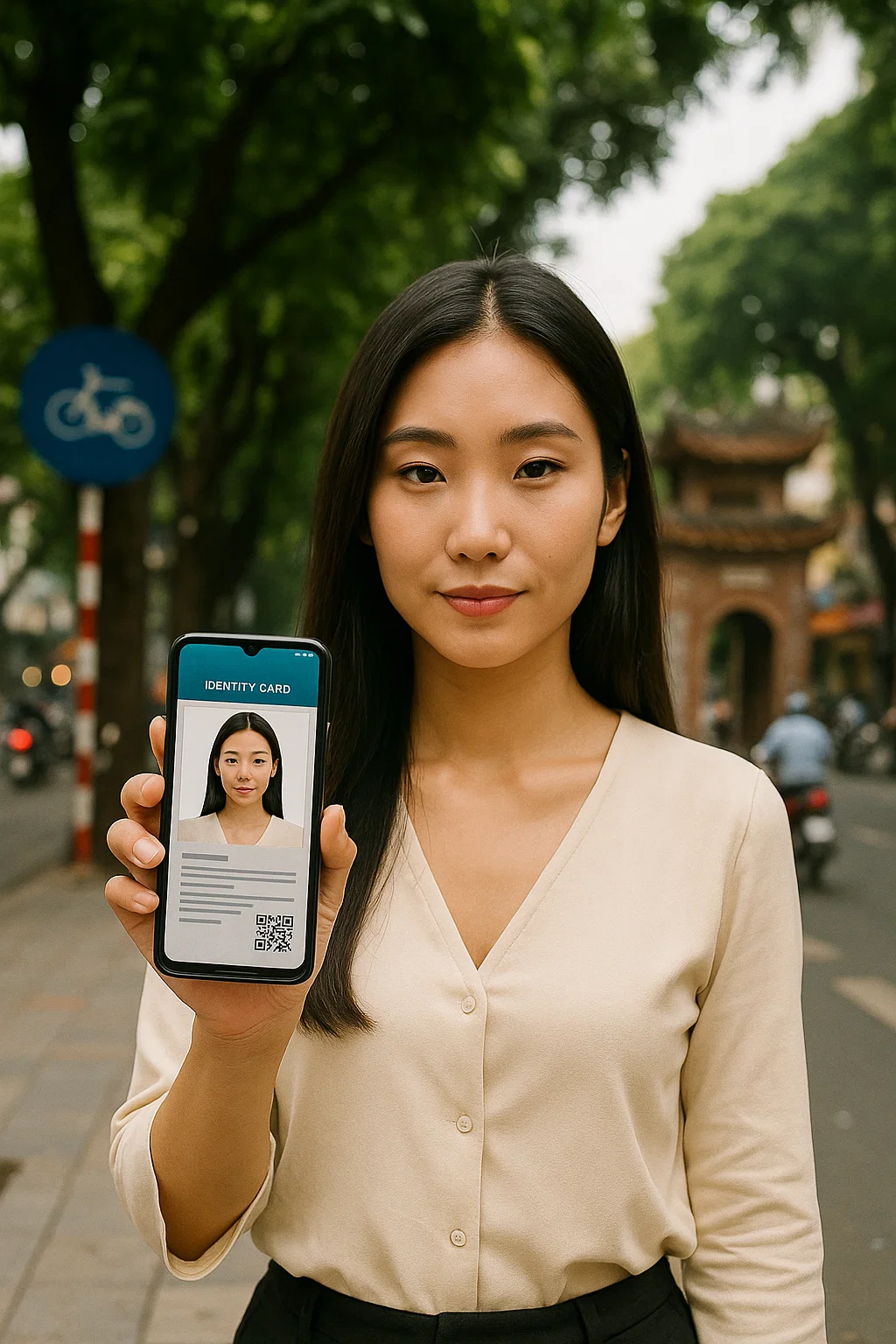
Any previously issued credential is automatically revoked, guaranteeing only one valid credential per citizen.
Authorized Verifiers
Governments decide who can request credential presentations and how they are authorized.
Validation Process
Applicants such as banks, telecoms, and hospitals complete a formal validation process before onboarding.
Authorization
Once approved, organizations are registered as authorized verifiers for the Citizen ID schema.
Pay-per-Verification Model
Each verification request incurs a privacy-preserving fee.
Issuers are rewarded without learning which citizen presented credentials.
Supports sustainable funding for national digital identity services.
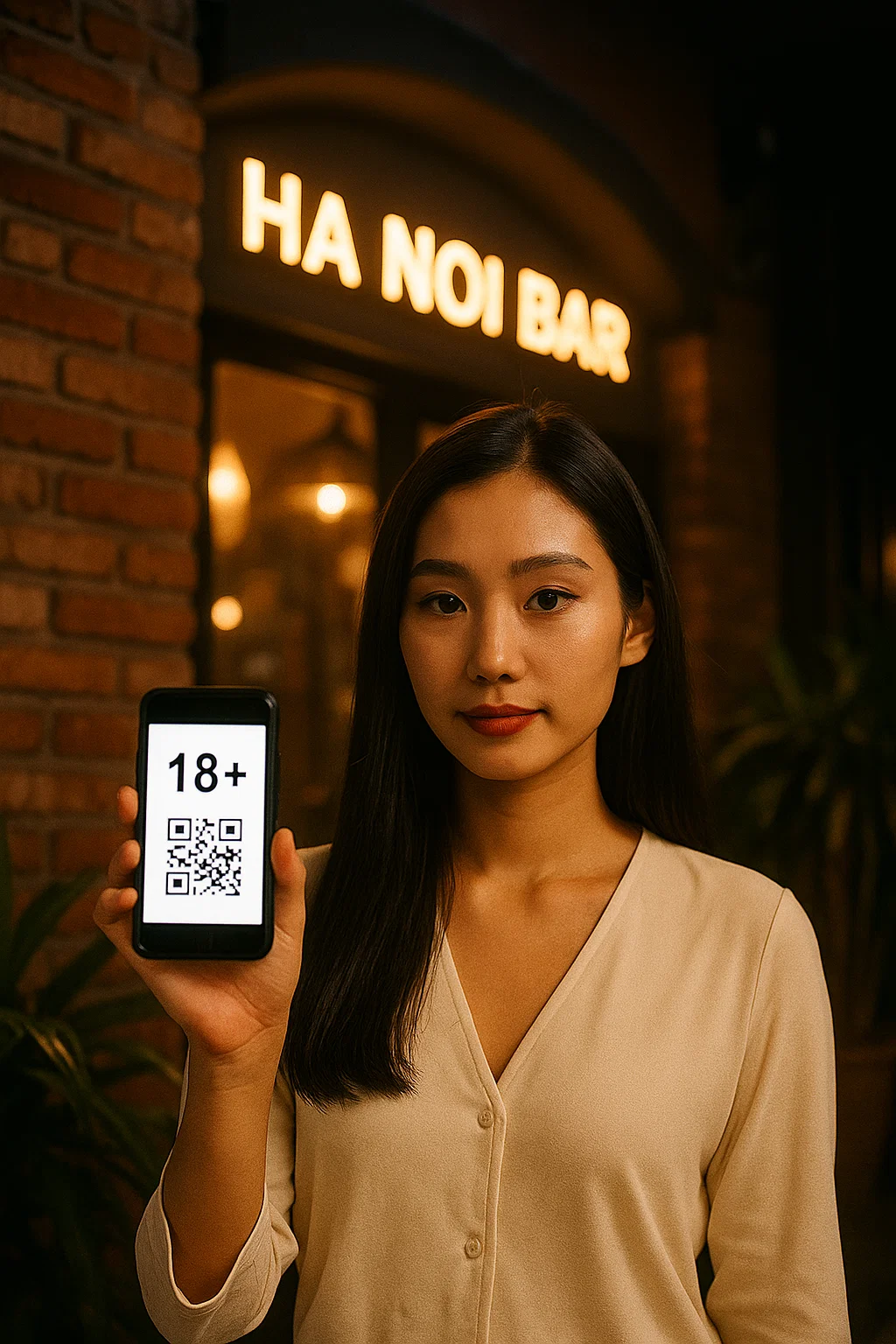
Selective Disclosure
By supporting advanced credential formats (ZKPs, BBS+, Anoncreds), governments deliver privacy-preserving verification.
Minimal Disclosure
Citizens can prove attributes without revealing full data (e.g., “over 18” without disclosing birthdate).
Privacy Protection
Minimal disclosure reduces risks of data misuse across public and private services.
Ready to Build Sovereign Digital Identity?
Start implementing privacy-preserving digital ID systems that empower citizens while maintaining national sovereignty.